Interstate Investing: Why 2026 is the Year Sydney Investors are Moving to Brisbane and Perth
For over a decade, the Sydney property market has been the crown jewel of Australian real estate. However, in 2026, a structural shift has reached its tipping point. With Sydney’s median house price hovering near $1.92 million and growth moderating to 5.8%, savvy capital city investors are no longer looking in their own backyards. Instead, they are pivoting toward high-growth interstate markets like Brisbane and Perth.
Buying property interstate in 2026 is no longer a niche “borderless” strategy—it is a necessity for those seeking to outpace inflation and secure double-digit capital growth. As the “two-speed” market deepens, the flow of equity from the Harbour City to the Sunshine and Sunset States has hit record highs.
See more: Market Trends: An Update from a Queens Park Property Buyers Agent
The 2026 Landscape: Why Sydney is Losing the Investment Race
Sydney’s market in 2026 is defined by “balanced growth.” While it remains a global jobs hub, the sheer cost of entry has reached a ceiling for many mid-tier investors. Borrowing capacity, even with stable interest rates, often limits Sydney buyers to low-yielding apartments or extreme outer-ring suburbs.
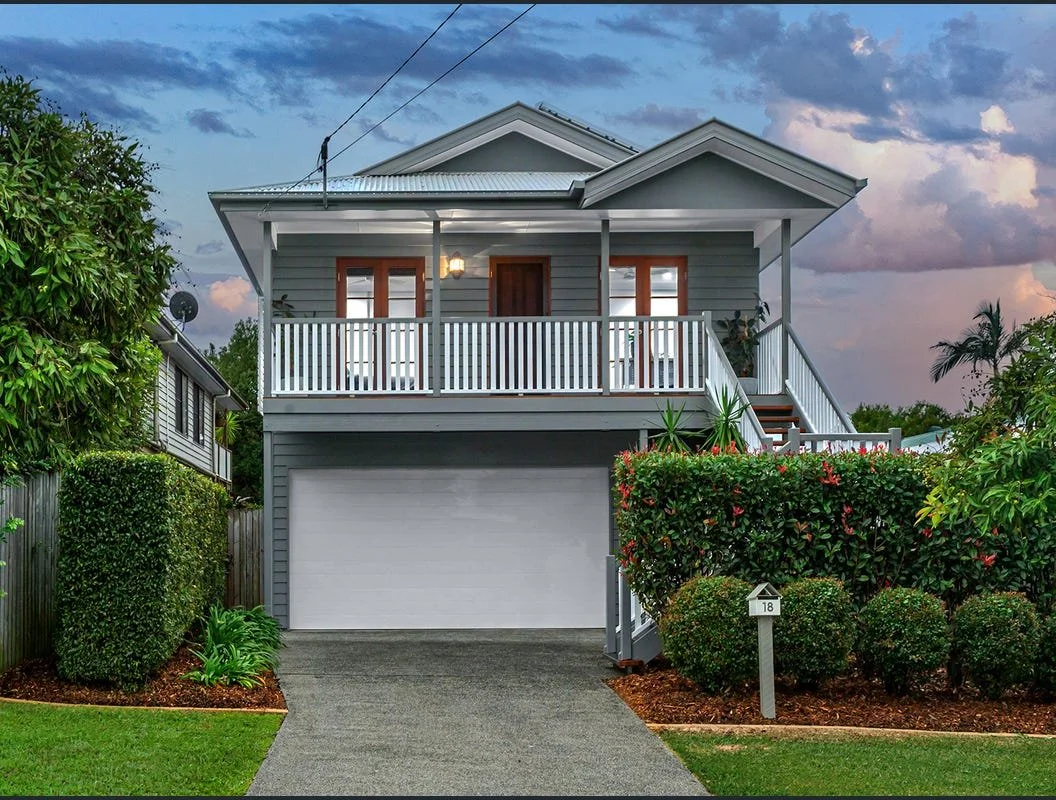
In contrast, markets like Brisbane and Perth are entering 2026 with “Super Boom” momentum. Data from early 2026 shows Perth house prices soaring by 12.8% and Brisbane following closely at 10.9%. For the price of a small villa in Sydney’s West, investors are securing high-performing detached houses in Brisbane’s middle ring.
Brisbane: The New Frontier for Sydney Equity
The “River City” is currently the primary destination for Sydney’s migrating capital. The search for the best city to invest in 2026 frequently begins and ends in Brisbane due to three converging factors:
- The Olympic Halo Effect: Infrastructure projects worth $7.1 billion for the 2032 Games are now in full swing, driving massive demand for construction labor and housing.
- The Supply Squeeze: New listings in Brisbane are down 40% compared to 2020 levels, creating a chronic undersupply that protects asset values.
- Relative Affordability: Even with a median house price now exceeding $1.1 million, Brisbane offers significantly higher rental yields (averaging 4.5%–5.5%) compared to Sydney’s 2.5%–3.2%.
High-Growth Hotspots in Brisbane for 2026
Investors are currently targeting “middle-ring” suburbs within 10–20km of the CBD.
- Family Appeal: Suburbs like Albany Creek and Mansfield remain high on the list for their school catchments.
- Infrastructure Plays: Chermside and Nundah are seeing high demand due to transport connectivity and urban renewal.
- Lifestyle & Scarcity: Paddington and Tarragindi offer character homes that are highly resilient to market fluctuations.
The “Risk of the Unknown”: Why You Need a Local Expert
While the data suggests Brisbane is a goldmine, buying from a laptop in Sydney carries significant dangers. This is where an interstate buyer’s agent in Australia becomes an investor’s most valuable asset.
The Danger of “Sardine Cans” and High-Supply Pockets
Many interstate investors fall into the trap of buying high-density apartments in “high-supply” corridors like certain pockets of the Brisbane CBD or West End. Without local knowledge, you risk buying into a building with high body corporate fees and stagnant capital growth.
The Flood Zone Reality
In Brisbane, two streets that look identical on Google Maps can have vastly different risk profiles. One may sit high and dry, while the other is a known flood hazard. A local buyer’s agent provides “boots on the ground” to verify:
- Flood mapping and overland flow issues.
- Zoning changes that could lead to a massive development overshadowing your backyard.
- The “feel” of a street—avoiding areas with social housing clusters or high noise pollution.

The Perth Surge: 2026’s Yield Powerhouse
If Brisbane is the “balanced” choice, Perth is the “yield” choice for 2026. With vacancy rates sitting below 1% for over 18 months, Perth offers the strongest gross rental yields in Australia.
- Yields: 4.2% to 6.1% in established northern suburbs.
- Growth: Forecasters suggest Perth will lead the country in 2026 with 10–13% capital gains.
- Entry Point: Suburbs like Wanneroo and Balga offer entry prices that allow Sydney investors to diversify their portfolios without taking on massive debt.
Step-by-Step: Your Interstate Investment Framework
Success in 2026 requires more than just picking a city; it requires a repeatable process.
- Equity Assessment: Evaluate your current Sydney holdings to determine how much usable equity can be deployed for an interstate deposit.
- Strategy Alignment: Are you chasing maximum capital growth (Brisbane middle-ring) or high cash flow (Perth northern corridor)?
- Local Representation: Engage an interstate buyer’s agent who specializes in your target region.
- Due Diligence: Perform deep-dive checks on flood risks, supply pipelines, and comparable sales data.
- Finance Structuring: Ensure your loan is structured to maximize tax benefits and borrowing capacity for future acquisitions.
Common Mistakes to Avoid When Investing Interstate
- Buying the “Shiny Object”: Avoid brand-new off-the-plan developments. These often include huge developer margins and lack the scarcity of established land.
- Skipping the Building Inspection: Never settle without an independent, local building and pest report. Termites and structural issues are invisible on https://www.google.com/search?q=Realestate.com.au.
- Emotional Bias: You aren’t living there. Focus on the data, the yield, and the long-term growth fundamentals.
Comparison of 2026 Investment Markets
| Metric | Sydney | Brisbane | Perth |
| Forecasted House Growth | 5.8% | 10.9% | 12.8% |
| Avg. Rental Yield | 2.5% – 3.2% | 4.0% – 5.5% | 4.5% – 6.5% |
| Vacancy Rate | 1.8% | 0.9% | 0.6% |
| Market Phase | Consolidation | High Growth | Peak Momentum |
Frequently Asked Questions
Is 2026 a good time to buy property interstate?
Yes. With Sydney and Melbourne reaching affordability ceilings, the growth momentum has shifted to more affordable capitals with stronger supply-demand imbalances, such as Brisbane and Perth.
How much does an interstate buyer’s agent cost?
Most professional buyer’s agents charge a fee of 2%–3% of the purchase price. In 2026, many investors find this pays for itself through negotiation savings (averaging $65,000) and avoiding costly flood-prone or high-supply areas.
What are the best suburbs to invest in Brisbane for 2026?
Suburbs with strong school catchments and infrastructure upgrades are leading the way. Look at Mansfield, Chermside, Nundah, and Tarragindi for a mix of growth and yield.
Should I buy a house or a unit in Brisbane?
In 2026, “Middle Ring” units and townhouses are seeing a surge in demand as houses become unaffordable. While houses offer more land value, units in small complexes are currently a strong yield play.
How do I handle property management from another state?
A local buyer’s agent can usually recommend high-performing property managers. Modern management portals allow you to track your investment in real-time from anywhere in Australia.
Conclusion: Securing Your Future in the 2026 Market
The shift toward buying property interstate in 2026 is a clear response to the changing dynamics of Australian real estate. As Sydney enters a phase of stability, the “smart money” is moving north and west to capture the infrastructure-led growth of Brisbane and the yield-driven surge of Perth.
By partnering with an interstate buyer’s agent in Australia, you mitigate the “risk of the unknown” and ensure your capital is placed in suburbs with genuine scarcity and long-term upside.
Would you like me to create a customized shortlist of high-growth Brisbane suburbs based on your specific investment budget?
Internal Linking Suggestions:
- Anchor: “Australian property market trends”
- Anchor: “how to use equity for investment”
- Anchor: “rental yield vs capital growth”
Authoritative External References:
- Refer to the KPMG Residential Property Outlook 2026 for city-by-city growth forecasts.
- Consult the Real Estate Institute of Queensland (REIQ) for the latest vacancy rate data in Brisbane.