
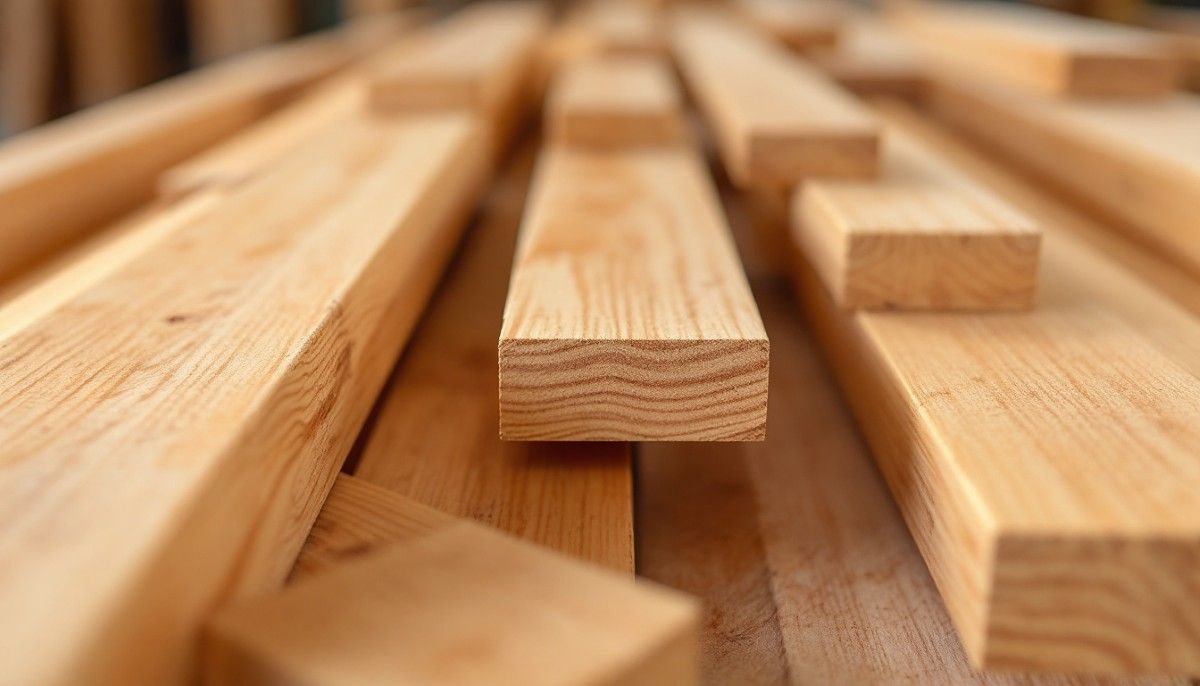
They are common in modern residential builds, extensions, loft conversions, and light commercial work, especially where long spans and tidy structural lines matter.
What is an LVL beam, exactly?
An LVL beam is built from multiple layers of veneer, with the grain generally running in the same direction to maximise strength along the length. Because it is manufactured under controlled conditions, it tends to be more consistent in size and performance than many traditional structural timbers.
Most LVL beams are supplied in standard widths and depths and can be ordered to suit design loads and spans.
Why do builders choose LVL instead of solid timber?
They choose LVL for predictability and stability. Solid timber can be excellent, but it can also contain knots, variable moisture content, and natural movement that complicates structural performance.
LVL’s uniform structure helps reduce callbacks caused by twisting or differential shrinkage, and it often makes setting out easier because the beam stays straighter over time.
How strong is an LVL beam compared with other options?
LVL is typically stronger and stiffer than standard structural softwood of the same dimensions, and it can approach the performance needed for demanding spans without moving to steel. That makes it useful where head height is tight and the design needs a slimmer beam.
However, strength is not universal across all LVL products. Their capacity depends on the manufacturer, grade, beam size, and the exact loading designed by an engineer.
Where should LVL beams be used in a house?
They are often used where long spans, open-plan layouts, or concentrated loads are involved. Typical residential uses include primary beams supporting joists, trimming around stair openings, and supporting loads from upper floors and roofs.
They also suit projects where a straighter beam helps finishes such as plasterboard, flooring, and fitted joinery remain crack-free and aligned.
Are LVL beams suitable for loft conversions and extensions?
Yes, they are commonly specified for loft conversions because they can provide good strength with manageable depth, which helps preserve headroom. In extensions, they are frequently used to support removed load-bearing walls and to form structural openings for bifold or sliding doors.
In both cases, they should be sized by a structural engineer, particularly where point loads, padstones, or lateral restraint details are critical.
When is LVL a better choice than steel?
LVL can be a better choice when the job benefits from lighter handling, easier on-site cutting, and simpler fixing with standard carpentry tools. They can also help reduce cold bridging compared with steel in some details, depending on the overall build-up.
Steel may still be preferred for very high loads, very long spans, or where depth must be minimised aggressively. The final choice should be based on engineered design, not habit.
Can LVL beams be used in exposed or damp locations?
LVL is generally intended for dry, internal structural use unless a specific product is rated for higher moisture exposure. In persistently damp conditions, they can swell, degrade, or lose performance if detailing and protection are poor.
If a beam is near bathrooms, utility areas, or external walls, they typically need correct ventilation, moisture control, and protective detailing. Where exposure is unavoidable, the specification should be checked carefully.
What should they know about fire performance?
LVL is timber, so it chars in a fire, and that charring can provide a predictable sacrificial layer when designed correctly. Fire resistance usually comes from calculated charring allowances and, more commonly in domestic work, from encapsulation with fire-rated plasterboard.
They should follow building regulations and the engineer’s detailing, especially around penetrations, recessed lights, and junctions that compromise protection.
How are LVL beams installed and supported safely?
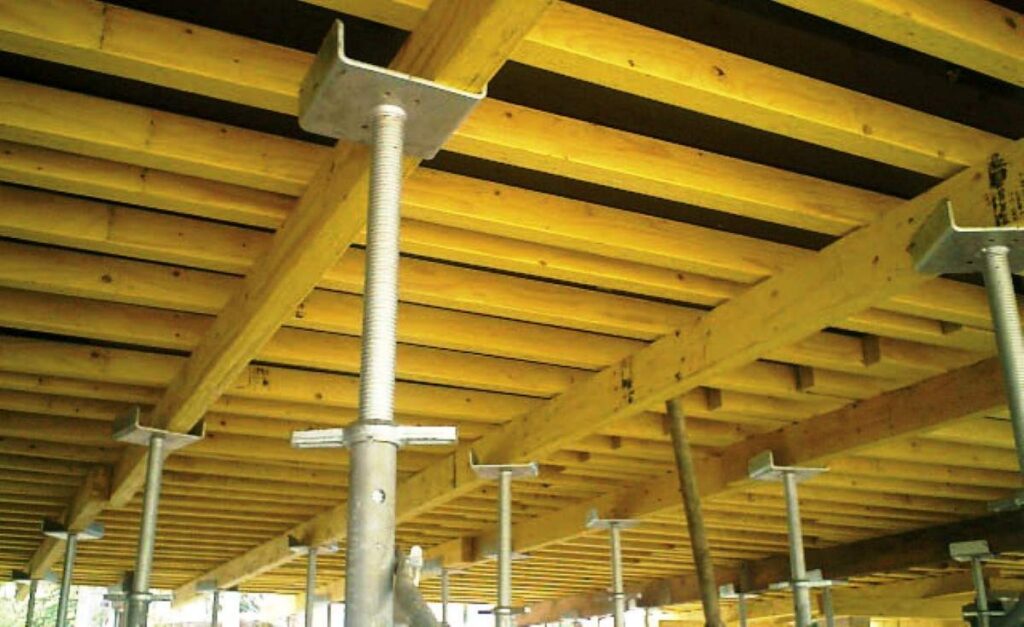
They should be installed level, with correct bearing at each end and any intermediate supports specified. Bearing lengths, padstones, hangers, straps, and lateral restraint details matter because LVL can carry high loads that must be transferred safely into walls or columns.
They should avoid notching, drilling, or cutting without approval, as alterations can seriously reduce capacity. Any holes for services typically need to be designed and positioned to meet the manufacturer’s rules.
What are the common mistakes people make with LVL beams?
A common mistake is treating LVL like ordinary timber and cutting or drilling it wherever convenient. Another is poor moisture management, such as storing beams outside uncovered or building them into damp masonry without separation.
Undersized bearings, missing straps, and incorrect hangers are also frequent problems. LVL performs best when the installation follows the engineer’s drawings and the manufacturer’s guidance closely.
Is LVL sustainable, and what should they ask suppliers?
LVL can be a responsible choice because it uses smaller logs efficiently and converts them into high-performing structural members. Sustainability depends on sourcing, manufacturing energy, and certification.
They should ask for FSC or PEFC certification, request documentation for the specific product grade, and confirm suitability for the exposure class of the project. If indoor air quality is a concern, they can also ask about formaldehyde emissions classification.
Related : What Is Reo Bar and Why Is It Critical in Reinforced Concrete?
FAQs (Frequently Asked Questions)
What is an LVL beam and how is it made?
An LVL (laminated veneer lumber) beam is an engineered timber beam created by bonding multiple thin wood veneers together under heat and pressure, with the grain running in the same direction to maximise strength along its length. This manufacturing process results in a strong, straight, and predictable beam that resists warping, twisting, and shrinking better than many solid timbers.
Why do builders prefer LVL beams over traditional solid timber beams?
Builders choose LVL beams for their predictability and stability. Unlike solid timber, which can contain knots and variable moisture content leading to natural movement, LVL’s uniform structure reduces issues like twisting or differential shrinkage. This consistency makes setting out easier and minimises callbacks due to structural movement over time.
How does the strength of LVL beams compare to other structural materials?
LVL beams are typically stronger and stiffer than standard structural softwood beams of the same dimensions, often approaching the performance needed for demanding spans without resorting to steel. This makes them ideal where head height is limited and a slimmer beam is desired. However, strength varies depending on manufacturer, grade, beam size, and engineered loading requirements.
In which areas of a house are LVL beams most commonly used?
LVL beams are frequently used in residential construction for long spans, open-plan layouts, and concentrated loads. Typical applications include primary beams supporting joists, trimming around stair openings, and carrying loads from upper floors and roofs. Their straightness also benefits finishes like plasterboard, flooring, and fitted joinery by helping prevent cracks and misalignment.
Are LVL beams suitable for loft conversions and home extensions?
Yes, LVL beams are commonly specified for loft conversions due to their strength combined with manageable depth that helps preserve headroom. In extensions, they support removed load-bearing walls and form structural openings for features like bifold or sliding doors. Proper sizing by a structural engineer is essential, especially where point loads or lateral restraints are involved.
Can LVL beams be used safely in damp or exposed locations?
Generally, LVL beams are intended for dry internal use unless specifically rated for higher moisture exposure. In persistently damp conditions without proper ventilation or protective detailing, they can swell or degrade. When installed near bathrooms, utility areas, or external walls, correct moisture control measures must be in place. Always verify product specifications for suitability in such environments.