
In reinforced concrete, the two materials work together: concrete resists crushing, while steel resists stretching and bending. That pairing is what makes modern slabs, beams, columns, footings, and retaining walls reliable under real loads.
What is reo bar?
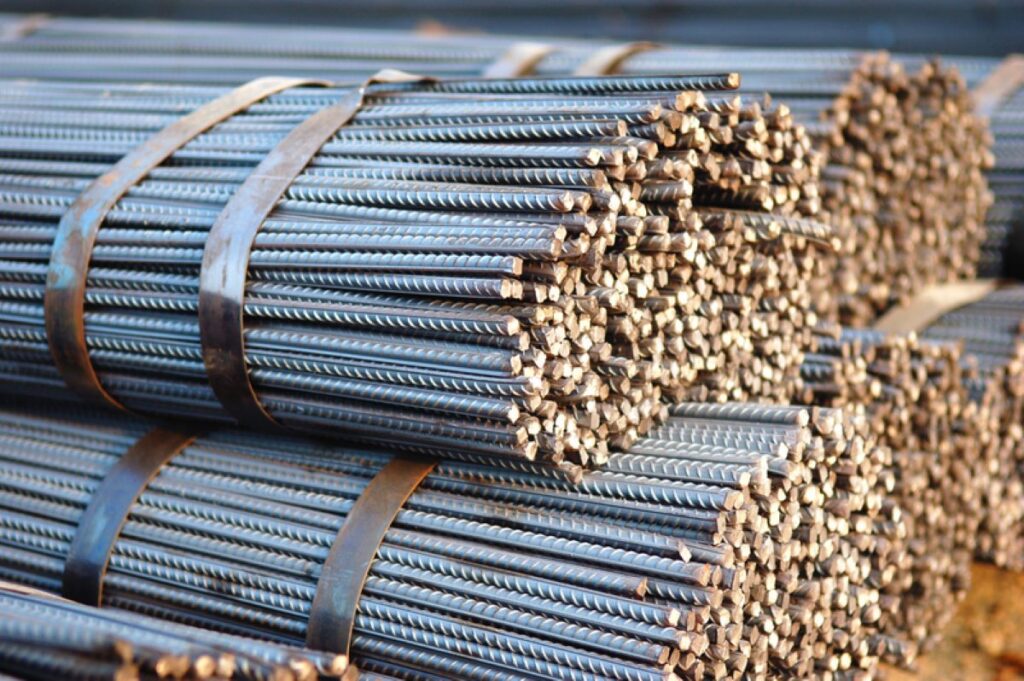
Reobar is a ribbed steel bar used to reinforce concrete. The ribs help the steel bond to the concrete so the two act as a single structural element.
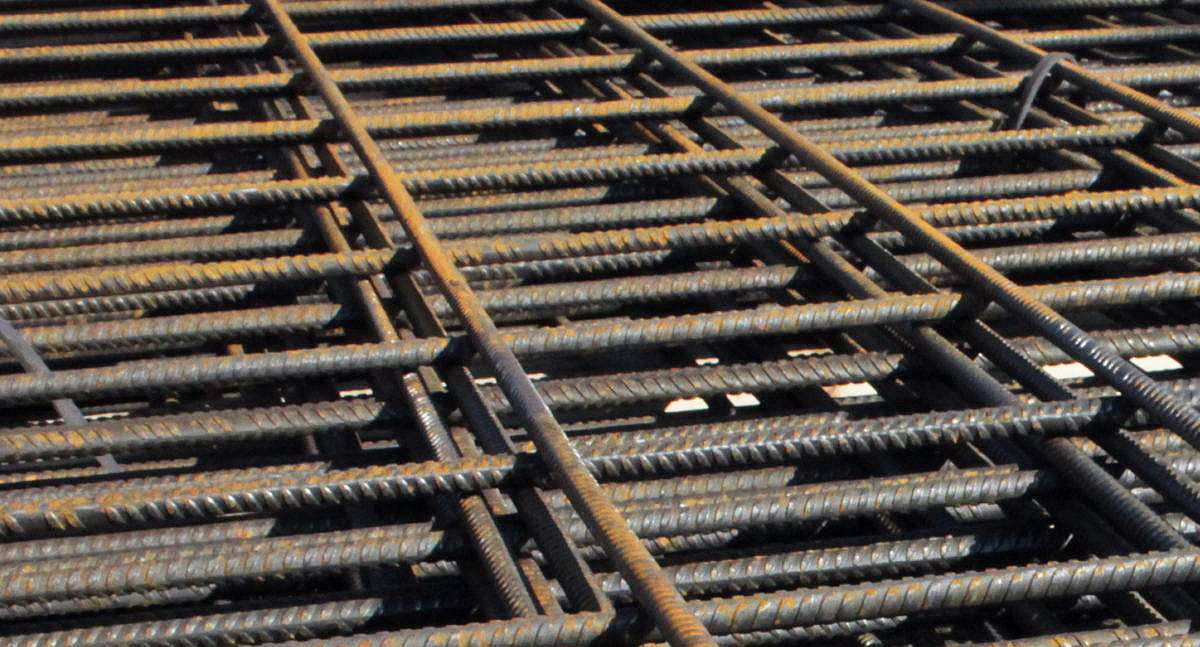
It is often supplied as straight lengths or formed into shapes for corners, laps, and starter bars. It is also available as mesh, which is a welded grid used commonly in slabs.
Why does concrete need reinforcement in the first place?
Concrete cracks easily when it is pulled, bent, or vibrated. Reo bar is added to control cracking and carry tensile forces that concrete cannot handle on its own.
Without reinforcement, many common elements would need to be far thicker and still remain vulnerable to sudden cracking. Reinforcement turns brittle concrete into a more ductile system that performs predictably.
How does reo bar actually work inside concrete?
Reo bar works through bond and load sharing. As the concrete begins to crack in tension, the steel takes the tensile load and limits crack widths.
The ribs create mechanical interlock so the bar does not simply slide. Proper cover and embedment length ensure the force transfers gradually between materials rather than failing at an interface.
Why is reo bar critical for safety and serviceability?
It is critical because it helps structures resist bending, shear, and tension under everyday use and extreme events. It also improves warning before failure because steel yields gradually rather than snapping suddenly.
Serviceability matters too: reinforcement helps limit deflection and keeps cracks tighter, which protects finishes, waterproofing, and long-term durability. When cracks are controlled, moisture and salts are less likely to reach the steel.
What types and grades of reo bar are commonly used?
Most reo bar is carbon steel, typically supplied in standard diameters and strength grades set by local standards. They may also specify welded wire mesh for slabs and pavements where distribution steel is needed.
In corrosive environments, designers may choose epoxy-coated bar, galvanised bar, or stainless steel, depending on budget and exposure. Each option aims to slow corrosion and extend service life.
https://www.youtube.com/shorts/OUkHiK-P4_cHow is reo bar specified and placed on site?
It is specified by diameter, spacing, bar shape, and location within the element. The design will also call up lap lengths, anchorage, hooks, and minimum concrete cover.
On site, they tie bars with wire, support them on chairs or spacers, and keep them in position during the pour. If the bar shifts, the effective depth changes, and strength can drop noticeably.
What happens if reo bar is missing, misplaced, or poorly detailed?
Missing or misplaced reo can lead to wider cracking, excessive deflection, and reduced load capacity. In severe cases, it can cause premature failure of beams, slabs, or cantilevers.
Poor detailing often shows up at corners, openings, and supports where stress concentrates. Short laps, insufficient anchorage, or inadequate cover can also trigger bond failure, spalling, and long-term durability problems.
How does reo bar relate to corrosion and concrete cover?
Steel rusts when water and oxygen reach it, especially if chlorides are present. Concrete cover protects the steel by acting as a physical barrier and by maintaining an alkaline environment that slows corrosion.
If cover is too thin or the concrete is porous, the risk of corrosion rises sharply. As rust expands, it can crack and spall the concrete, exposing more steel and accelerating damage.
When is mesh used instead of individual reo bars?
Mesh is commonly used in slabs-on-ground and lightly loaded suspended slabs to control shrinkage cracking and provide distributed reinforcement. It is quick to place and helps keep the steel layout consistent.
Individual bars are preferred where loads are higher or reinforcement needs to be concentrated, such as beams, columns, footings, and around penetrations. Many projects use both: mesh for distribution, bars for main strength.
What is the key takeaway about reo bar in reinforced concrete?
Reo bar is the tension-carrying backbone that makes reinforced concrete dependable. Without it, concrete elements would crack more, deflect more, and fail more abruptly.
When it is correctly selected, detailed, and placed with proper cover, they get a structure that is stronger, safer, and far more durable over its lifetime.
More to Read : LVL Beam: What Is It and Where Should It Be Used?
FAQs (Frequently Asked Questions)
What is reo bar and why is it used in concrete construction?
Reo bar, short for reinforcement bar, is a ribbed steel bar placed inside concrete to reinforce it. It is used because concrete handles compression well but is weak in tension; reo bar carries the tensile forces, making concrete structures stronger and safer.
How does reo bar work within reinforced concrete to improve strength?
Reo bar works through bond and load sharing with concrete. As concrete cracks under tension, the steel takes on tensile loads, limiting crack widths. The ribs on reo bars create mechanical interlock with the concrete, preventing slippage and ensuring forces transfer gradually between materials.
Why is reinforcement necessary for concrete elements like slabs and beams?
Concrete cracks easily when subjected to pulling, bending, or vibration. Reo bar controls cracking by carrying tensile forces that concrete alone cannot handle. This reinforcement turns brittle concrete into a more ductile system that performs predictably under real loads.
What types of reo bar are commonly used and how are they selected for different environments?
Most reo bars are carbon steel supplied in standard diameters and strength grades per local standards. For corrosive environments, options include epoxy-coated bars, galvanised bars, or stainless steel to slow corrosion and extend service life. Welded wire mesh is also used for distribution reinforcement in slabs and pavements.
How should reo bar be specified and correctly placed on construction sites?
Reo bar is specified by diameter, spacing, shape, location within the element, lap lengths, anchorage details, hooks, and minimum concrete cover. On site, bars are tied with wire, supported on chairs or spacers to maintain position during concrete pouring. Proper placement ensures effective depth and structural strength.
What risks arise from missing or improperly detailed reo bar in reinforced concrete structures?
Missing or misplaced reo bars can cause wider cracking, excessive deflection, reduced load capacity, and even premature failure of structural elements like beams or slabs. Poor detailing at stress concentration points (corners, openings) can lead to bond failure, spalling, and long-term durability issues due to inadequate anchorage or insufficient cover.