
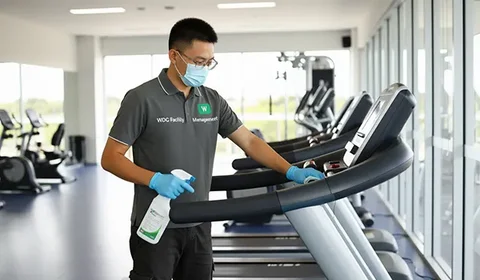
High use facilities have a simple problem. Sweat, skin contact, shared equipment, warm air, and constant touch points. It is basically a perfect storm. The good news is they can keep it clean without turning the whole day into a cleaning marathon. It just needs a system that actually matches how people use the space.
What makes gym cleaning in Sydney uniquely challenging?
Sydney’s climate does not help. Humidity swings, hot days, rainy weeks where ventilation gets reduced. Add in coastal air in some suburbs and suddenly metal surfaces, rubber flooring, and bathrooms are dealing with more than just sweat.
As gyms expand their offerings with functional training zones, stretching areas, and recovery spaces, the number of shared touchpoints increases significantly. Regular cleaning of these surfaces is essential to support a cleaner and more comfortable workout experience. Learn more about gym cleaning Sydney services tailored to the unique demands of fitness facilities.
And then there is volume. In a high use gym, cleaning once a day is basically pretending. They need cleaning throughout the day, plus a deeper reset that does not get skipped when staff are tired.
Which areas get dirty first in high use facilities?
They usually think it is the bathrooms. It is not always. Bathrooms are obvious, so they get attention. The sneakier stuff is the equipment and touch points that get hit hundreds of times.
The usual offenders:
- Dumbbells, kettlebells, barbells, and fixed weight handles
- Benches, especially the head area
- Cable machine attachments and pin selectors
- Treadmill rails and console buttons
- Water fountain buttons, bottle fillers
- Entry gates, reception counters, EFTPOS terminals
- Stretch mats, foam rollers, shared mobility tools
- Locker handles, hairdryer stations, vanity counters
If they are trying to prioritise, they should start where hands go constantly. Hands touch faces. That is the chain.
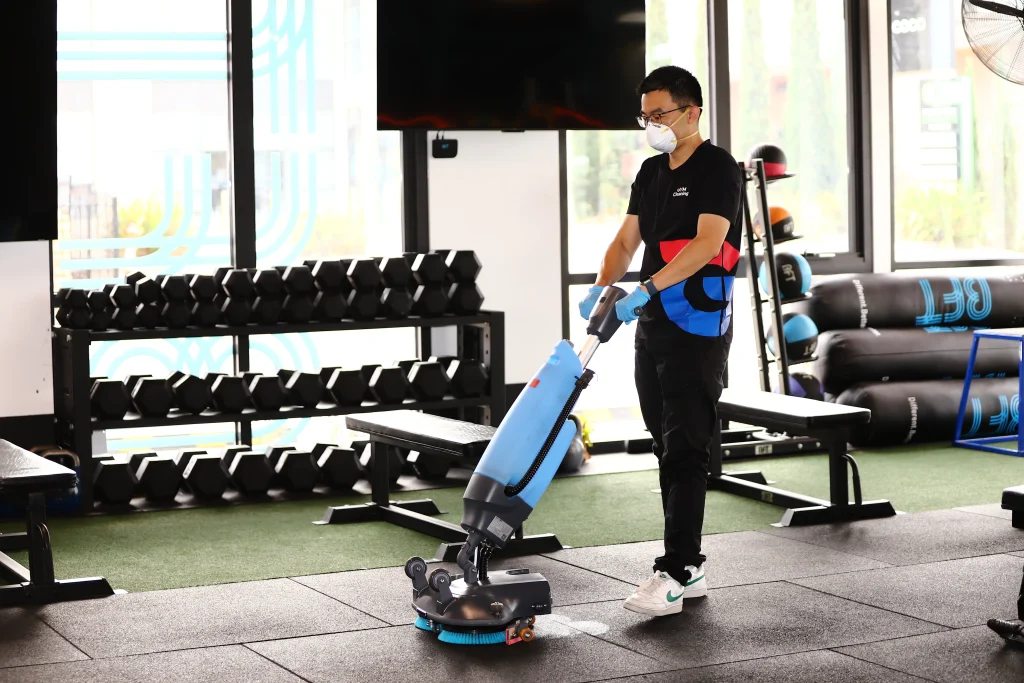
How often should gyms clean during operating hours?
If they want hygiene that holds up in a busy Sydney gym, they should think in layers, not one big clean.
A practical schedule often looks like this:
- Continuous wipe downs: members wipe after use, staff spot check and re wipe
- Hourly touch point loops: quick passes on rails, handles, gates, fountains, buttons
- Midday mini reset: floors in free weights, bathrooms, bins emptied, refill stations
- Close clean: full disinfect, floors scrubbed, glass, bathrooms detailed
- Weekly deep clean: vents, behind equipment, grout lines, machine bases, high dusting
- Monthly detail: steam where appropriate, upholstery inspection, mould checks, storage rooms
They do not need perfection every hour. They need consistency and proof. A checklist that gets signed is boring, but it is also what stops standards sliding.
What products and tools actually work without damaging equipment?
Some gyms overdo it with harsh chemicals. Others use something so mild it is basically scented water. The sweet spot is using disinfectants that are fit for purpose and safe for mixed surfaces.
They should aim for:
- TGA listed hospital grade disinfectant for high touch points and bathrooms
- Neutral pH floor cleaner for rubber flooring and vinyl
- Microfibre cloths colour coded so toilets and benches do not share a cloth
- Dedicated mop heads per zone, washed properly, replaced often
- Disposable wipes for member stations, but not as the only plan
- Enzymatic cleaners for stubborn odours in change rooms when needed
They also need to follow dwell time. Spraying and instantly wiping is not disinfecting. It is just moving moisture around. Staff should know the contact time required for the product to actually kill germs.
How can they get members to participate without relying on them?
Signage helps. So do wipe stations. But gyms that rely on member behaviour alone always lose. People are rushing. They forget. Some do not care.
A better approach is to make it easy and visible:
- Put wipe dispensers where they finish sets, not where they enter the room
- Keep bins right next to wipe stations so people do not carry used wipes
- Use short signs that tell them exactly what to do, not a lecture
- Have staff do casual, friendly “reset passes” so members see it happening
- Reward the culture, even small things like staff thanking members who wipe down
The goal is not to police. It is to normalise. When cleaning is visible, members copy it. When it is invisible, they assume nobody is doing it.
How should bathrooms and change rooms be managed in peak times?
Bathrooms are where complaints start fast. Smell, wet floors, empty soap, no paper towel. And in a busy gym, these issues can happen within an hour.
They should treat bathrooms like a mini venue of their own:
- Check and restock soap, paper, and sanitiser multiple times daily
- Use slip resistant floor care and keep floors as dry as possible
- Clean touch points every loop: taps, locks, flush buttons, counters
- Empty sanitary bins and general bins before they overflow
- Control odour with proper cleaning, not just fragrance
If the showers are always damp, mould can creep in. They should watch grout lines and silicone edges and address it early, not when it is visible from two metres away.
When should they bring in professional gym cleaning services in Sydney?
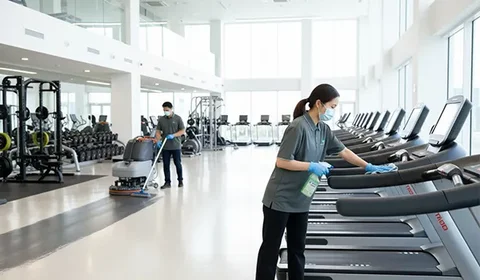
If they are a small studio, in-house cleaning might be sufficient. However, once high foot traffic is reached, operational strain increases, standards drop, and deep-cleaning is often neglected. More detail available at:https://prod65.schoolinfrastructure.nsw.gov.au/what-we-do/we-look-after-our-schools/cleaning-services.html
Professional cleaners become valuable when:
- The facility is open long hours and needs consistent close cleans
- There are multiple zones and a high volume of touch points
- They want documented cleaning routines for compliance and trust
- Deep cleaning tasks are being skipped week after week
- There have been member complaints, illness concerns, or odour issues
A good service will not just “tidy”. They should understand gym surfaces, rubber flooring, sweat zones, bathrooms, and how to clean around equipment without damaging it. And they should work to a checklist, not vibes.
What simple system keeps hygiene consistent week after week?
The best system is the one they will actually follow. Not the 12 page manual that nobody reads.
A simple structure that tends to stick:
- Define zones: cardio, free weights, functional, studio, bathrooms, reception
- Assign frequencies: hourly, daily, weekly, monthly
- Use checklists: short, visible, signed
- Stock control: someone owns consumables so wipes and soap never run out
- Audit: quick weekly walk through with photos and notes
- Fix root causes: if one corner smells, solve the drain or ventilation issue, do not mask it
They do not need to make it complicated. They need to make it routine.
What is the real takeaway for Sydney gym owners and managers?
High use gyms in Sydney stay clean when hygiene is treated like operations, not an occasional task. They need layered cleaning during the day, proper products used correctly, and a system that survives busy weeks. Members notice. They always do. Cleanliness is not just health. It is retention.
Click here to view gym equipment sanitisation requirements Sydney checklist.
FAQs (Frequently Asked Questions)
What makes gym cleaning in Sydney uniquely challenging?
Sydney gyms face unique cleaning challenges due to the local climate, including humidity swings, hot days, and coastal air that affect surfaces like metal and rubber. Modern gyms also have diverse zones such as group fitness rooms, functional training rigs, and recovery areas, each with multiple touchpoints that require frequent cleaning. High foot traffic means cleaning once a day is insufficient; continuous and layered cleaning approaches are necessary.
Which gym areas get dirty first in high use Sydney facilities?
While bathrooms often receive attention, the equipment and high-touch points get dirty fastest in busy Sydney gyms. Commonly affected areas include dumbbells, kettlebells, benches (especially headrests), cable machine attachments, treadmill rails and consoles, water fountain buttons, entry gates, reception counters, stretch mats, foam rollers, locker handles, hairdryer stations, and vanity counters. Prioritizing these frequently touched surfaces is essential for effective hygiene.
How often should gyms clean during operating hours to maintain hygiene?
Effective gym hygiene requires a layered cleaning schedule: continuous wipe downs by members with staff spot checks; hourly loops targeting touch points like rails and buttons; midday mini resets focusing on floors and bathrooms; thorough close cleans with full disinfecting; weekly deep cleans addressing vents and grout lines; and monthly detailed maintenance such as steam cleaning and mould checks. Consistency supported by signed checklists ensures standards are upheld throughout the day.
What cleaning products and tools work best without damaging gym equipment?
Gyms should use TGA-listed hospital-grade disinfectants for high-touch points and bathrooms to ensure germ-killing efficacy without damage. Neutral pH floor cleaners are ideal for rubber flooring and vinyl surfaces. Employ color-coded microfibre cloths to prevent cross-contamination between toilets and benches. Dedicated mop heads per zone should be washed regularly. Disposable wipes can supplement member stations but shouldn’t be the sole method. Enzymatic cleaners help tackle stubborn odours in change rooms. Proper dwell time must be observed to allow disinfectants to work effectively.
How can gyms encourage member participation in cleaning without relying solely on them?
To foster member involvement without depending entirely on their initiative, gyms should make hygiene practices easy and visible. Placing wipe dispensers near workout completion spots rather than entrances encourages use. Bins next to wipe stations prevent carrying used wipes around. Short, clear signage instructs members precisely what to do without lecturing. Staff performing casual ‘reset passes’ visibly model good habits while thanking members who wipe down equipment helps reward positive behavior—normalizing cleanliness culture rather than policing it.
When should Sydney gyms consider professional cleaning services?
Small studios may manage with in-house cleaning initially; however, once foot traffic increases significantly, maintaining high hygiene standards becomes challenging due to staff workload and missed deep cleans. At this stage, engaging professional gym cleaning services is valuable to ensure thorough daily maintenance, consistent deep cleans of vents and grout lines, mould prevention in showers, and overall elevated cleanliness that meets member expectations in busy Sydney gyms.